Reliability

We provide independent reliability expert witness services and reliability consulting to support both litigation and proactive risk management. Our work serves those involved in disputes or decisions related to product design, product performance, alleged defects, warranty exposure, and field failures.
As expert witnesses, we deliver objective, technically rigorous opinions based on accepted engineering practices and sound statistical analysis. We assist counsel throughout the litigation process, including case evaluation, discovery support, expert reports, depositions, arbitration, and trial testimony.
In our consulting role, we help organizations prevent disputes before they arise. We evaluate reliability programs, test strategies, and field data using a full lifecycle and total cost perspective—extending beyond warranty metrics to include design risk, validation sufficiency, manufacturing variation, and long-term financial exposure. This approach enables reliability investments to be technically defensible, financially justified, and aligned with business objectives.
Whether supporting litigation or guiding proactive reliability efforts, we provide clear, data-driven insight that connects engineering decisions to legal and financial outcomes.
Reliability Data Analysis
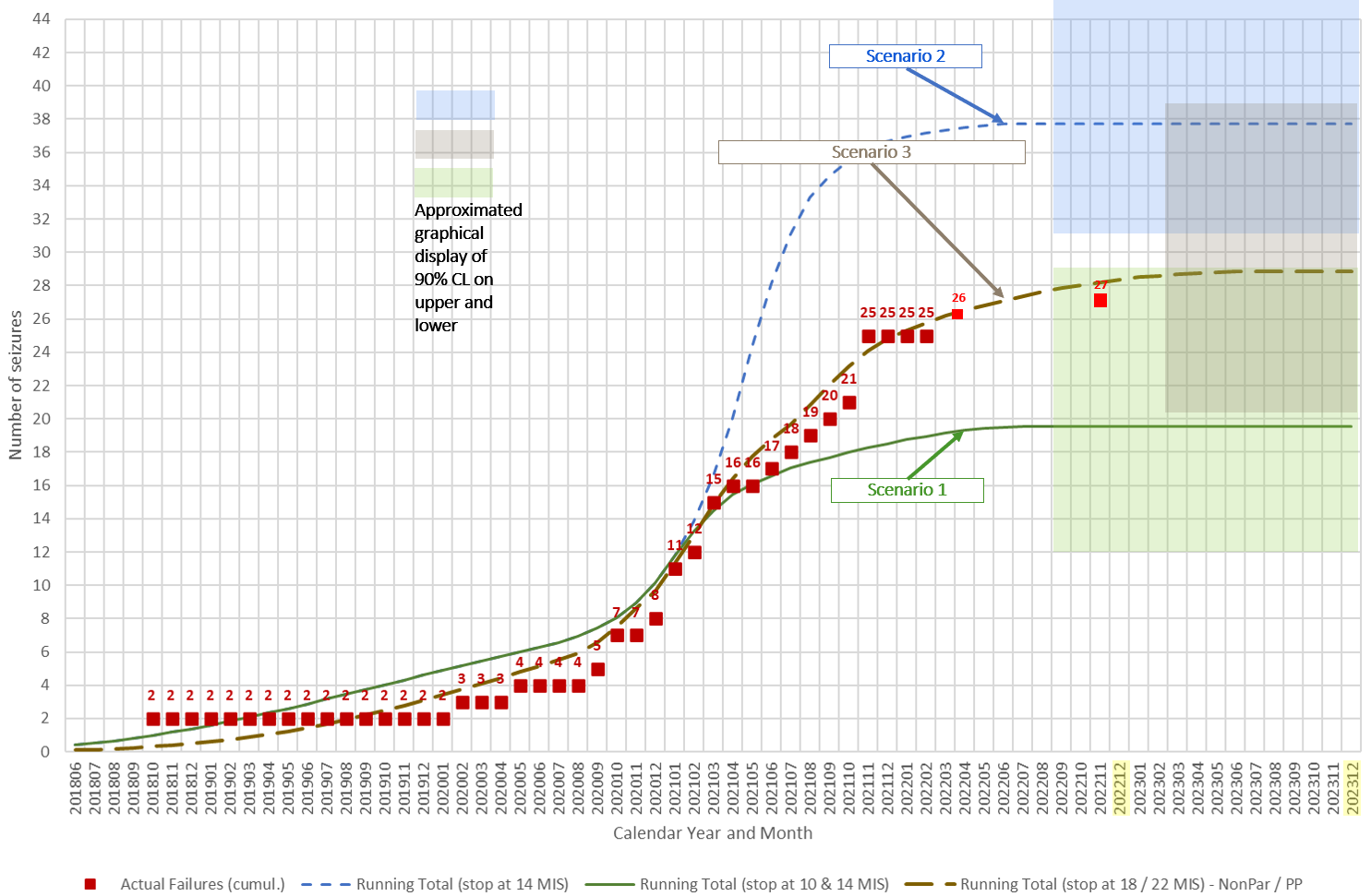
We perform rigorous reliability data analysis grounded in methods we helped define, including the standard reliability data analysis software developed for NASA’s Johnson Space Center. Our analyses properly account for both failed and surviving items, uncertainty in real-world usage conditions (loads, environment, contamination, etc.), and interactions among components within complex systems. By incorporating variations in user behavior and system-level effects, we deliver reliability conclusions that are technically sound, statistically defensible, and suitable for both litigation and business decision-making.
Quality Systems and Managing for Reliability
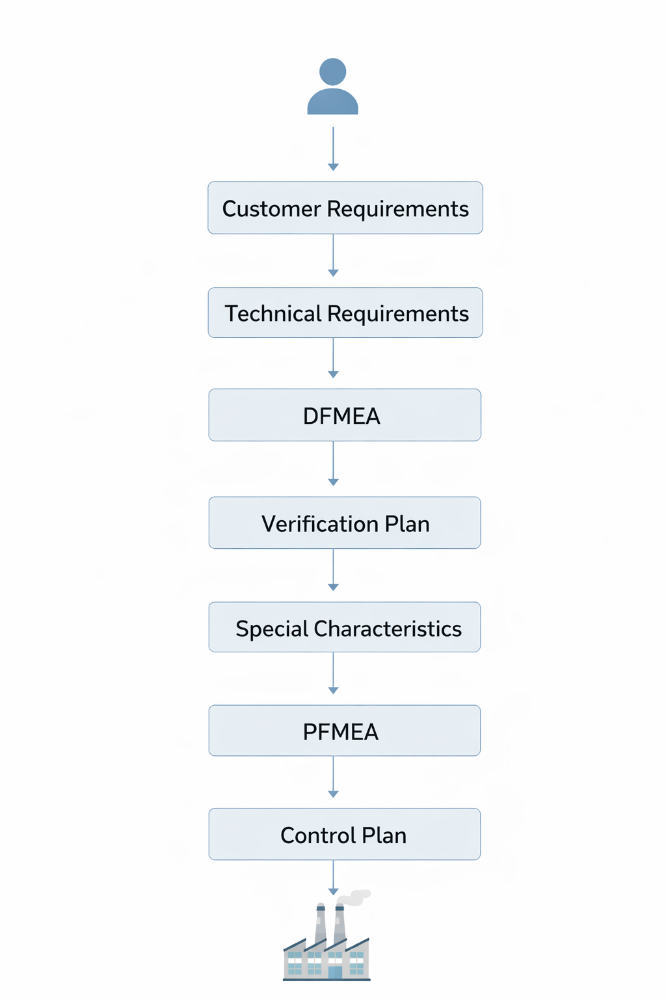
We utilize established quality system documents (DFMEA, PFMEA, etc.) to clearly define delivered functionality and the conditions under which that functionality is expected to perform, providing critical commercial and contractual protection. When properly developed and maintained, these documents create a traceable, objective record of engineering intent, risk assessment, and decision-making that supports legal defensibility in the event of disputes, claims, or litigation. This structured approach enables early identification of technical and process risk, allowing timely and cost-effective mitigation, while also providing a clear framework for communicating risk, assumptions, and management options to support informed business decisions. By systematically capturing and sharing this knowledge, organizations reduce the likelihood of repeated failures across programs, manufacturing sites, and future product generations—strengthening both operational performance and legal position.

Maintenance and Spare Parts
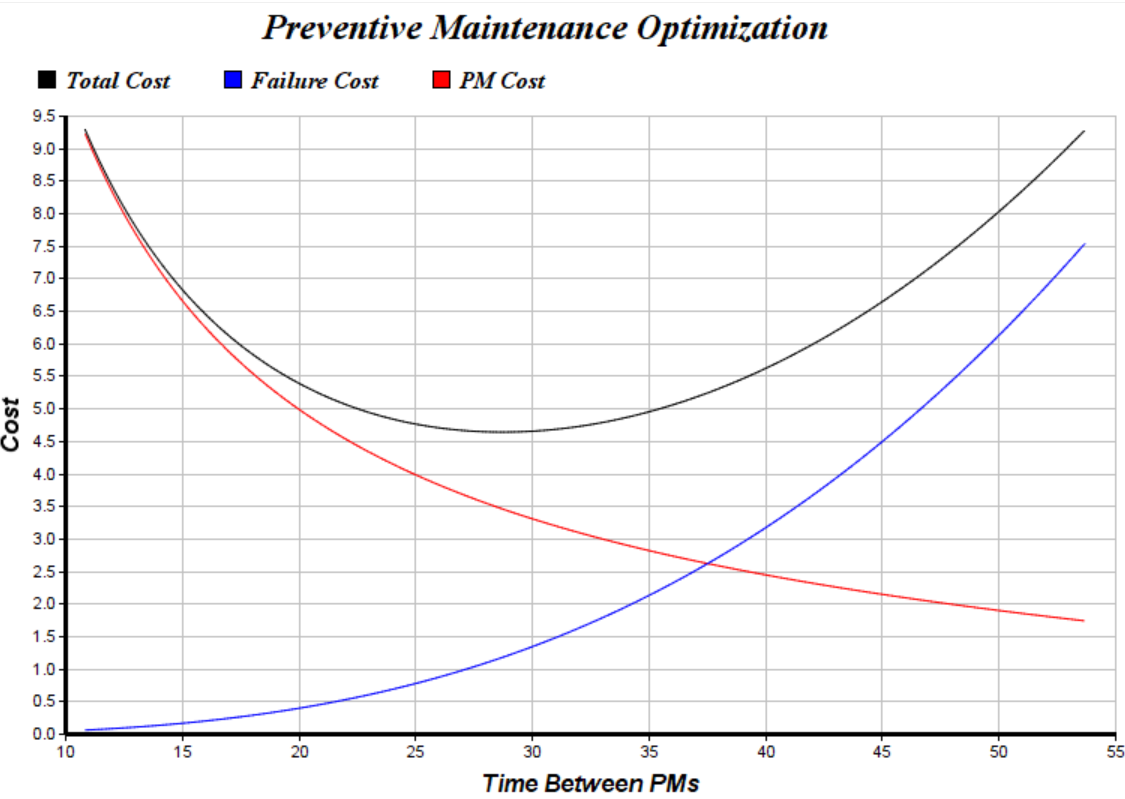
We apply advanced statistical models to optimize maintenance strategies, balancing the costs of preventative maintenance with potential failure costs to establish efficient, data-driven maintenance schedules. These models not only identify opportunities for cost reduction but also provide a quantitative foundation for informed financial and operational decision-making. Additionally, we develop statistical models to optimize spare parts inventory, carefully balancing capital investment, holding costs, and the potential cost of downtime when parts are unavailable, ensuring both reliability and operational efficiency.
Reliability Modelling and Robust design
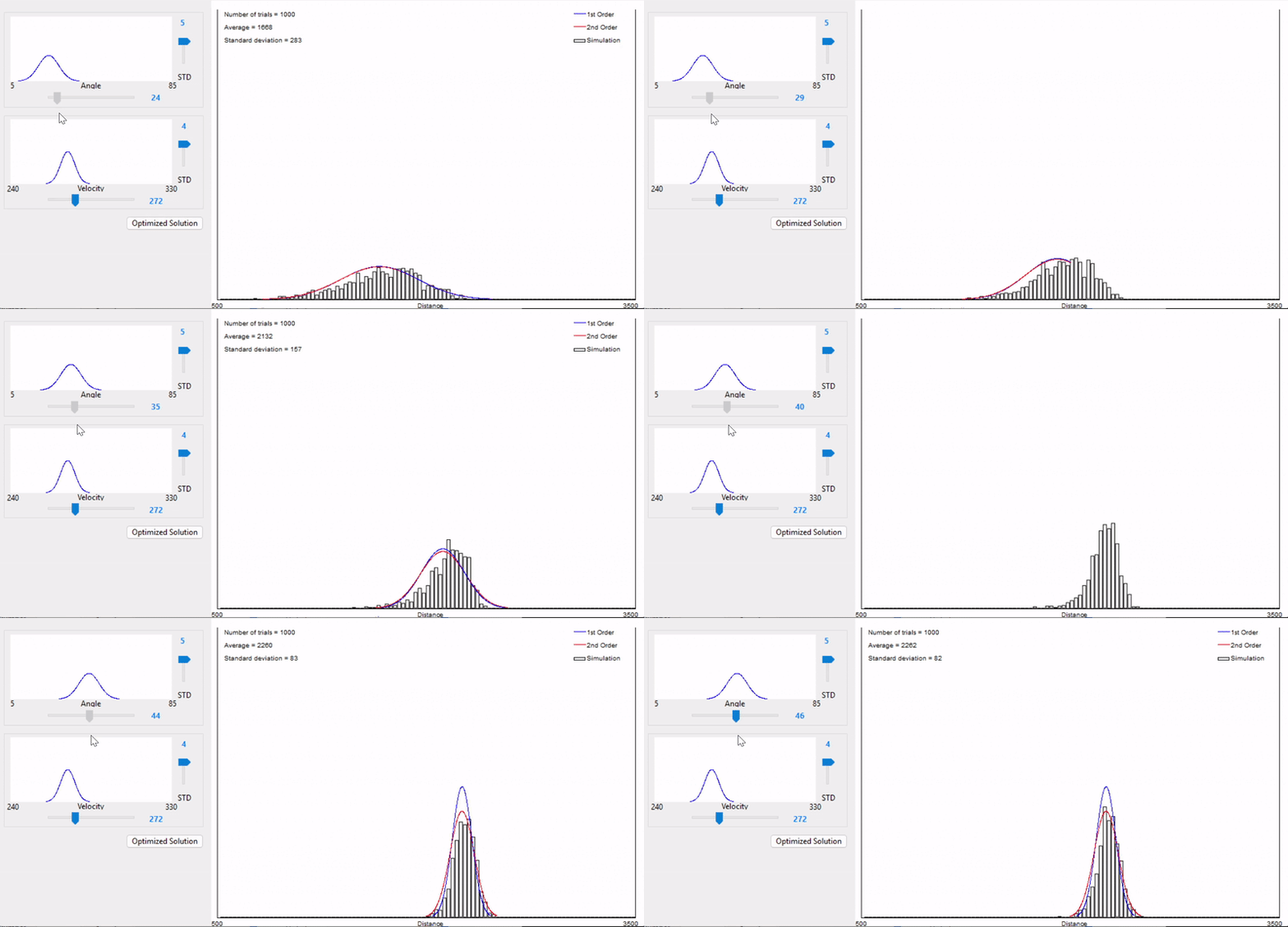
We integrate variation modeling into existing engineering analyses to enable accurate prediction of performance under worst-case tolerance stack-ups. This methodology provides a documented, quantitative basis for design decisions, supporting both technical rigor and legal defensibility. By identifying and controlling sources of variation early, organizations can reduce performance variability and cost while strengthening design verification, often shortening validation timelines and, in some cases, reducing reliance on extensive physical testing.
Accelerated Testing
Our experts design and analyze accelerated testing programs that reduce test duration and required sample sizes while maintaining technical rigor and methodological defensibility. Testing objectives may include identifying underlying failure mechanisms or demonstrating whether defined reliability requirements have been met. Test plans, assumptions, and conclusions are documented using accepted engineering and statistical practices, providing a clear, objective basis to support engineering decisions, regulatory review, and expert testimony. This approach helps organizations appropriately balance technical risk, cost, and confidence in reliability determinations.